〰️〰️ IN 〰️
These are things I read, saw, ingested, ate, listened to, or just generally thought about in the last month that I want to share with you. It's an incomplete list (obviously) but it's the stuff I'm still thinking about.
out on the town
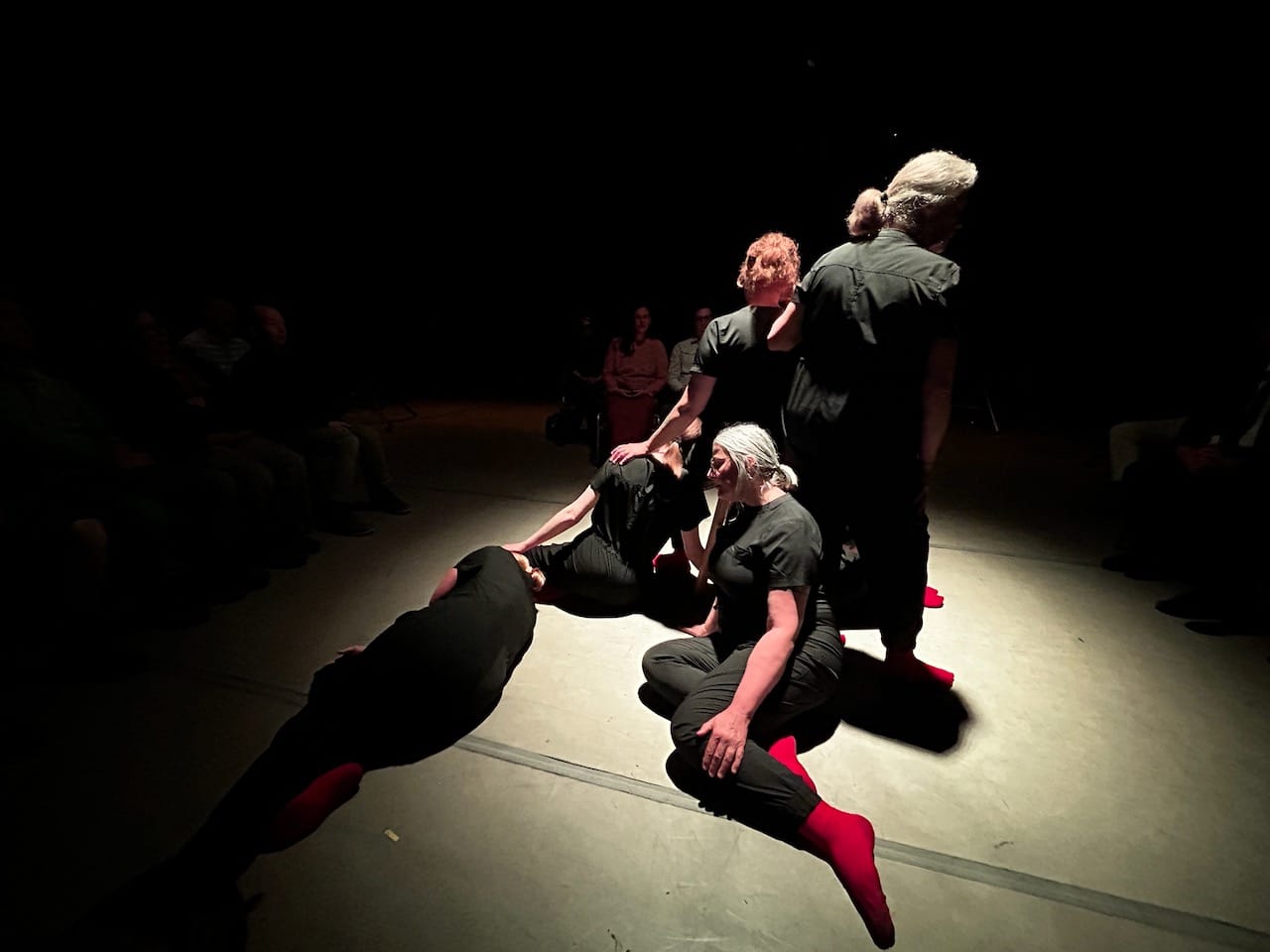
I'm trying to go to more local events this spring/summer, in part to check them out for the COYOTE Calendar (making sure the things I'm picking are actually good) and in part to keep myself connected to the Bay Are a more generally. To that end, this month I went to:
- A performance of “DISPATCHES from the CHARCOAL FOREST," a live soundscape performance written by Merlin Coleman.
- The opening for a show called Artists of the African Diaspora at Rhythmix Cultural Works. (My favorite work there was by Victoria Bankole).
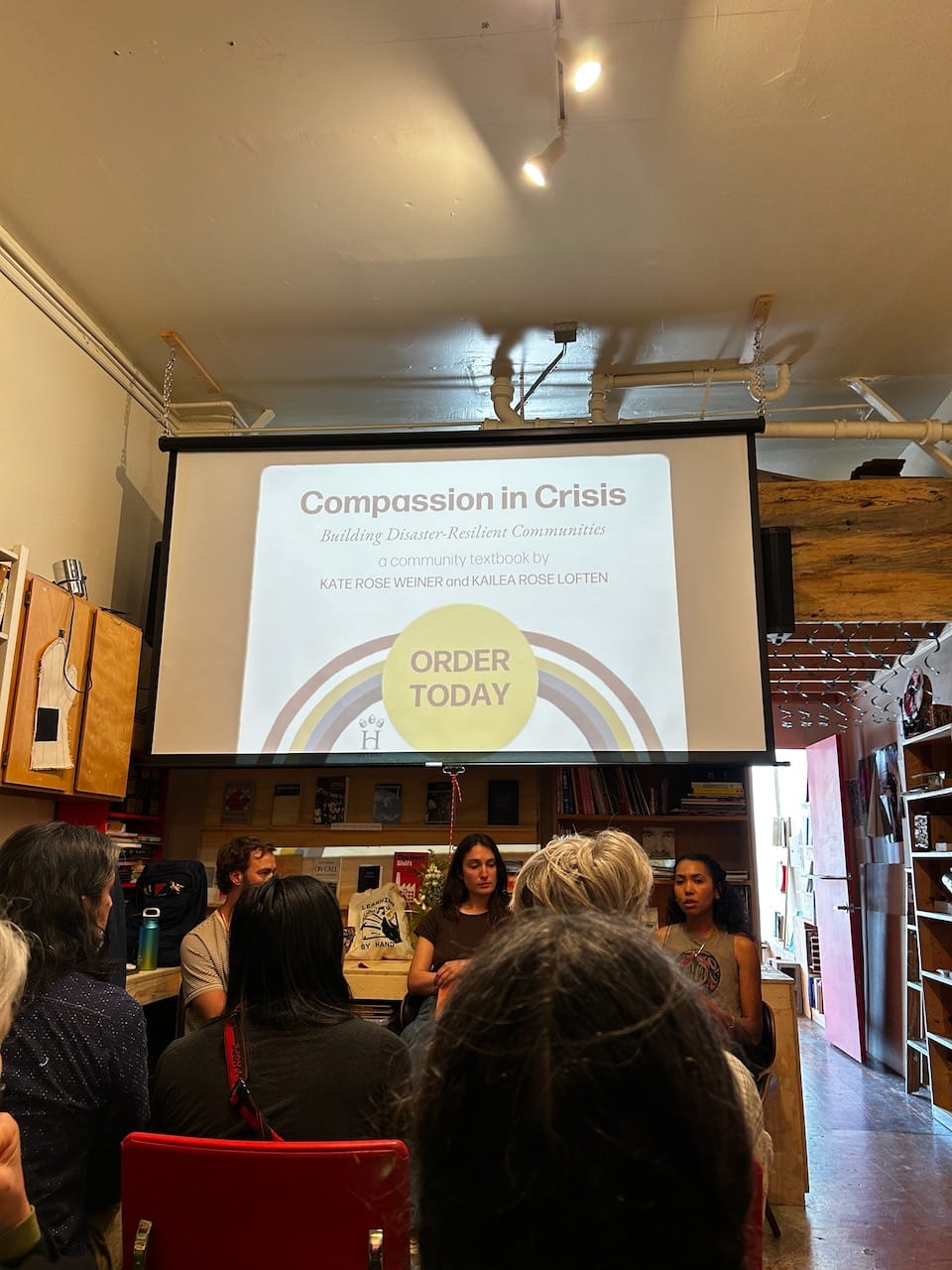
- A reading and workshop on communications during disaster response featuring the Lefty Radio League and the authors of Compassion in Crisis: Building Disaster-Resilient Communities.
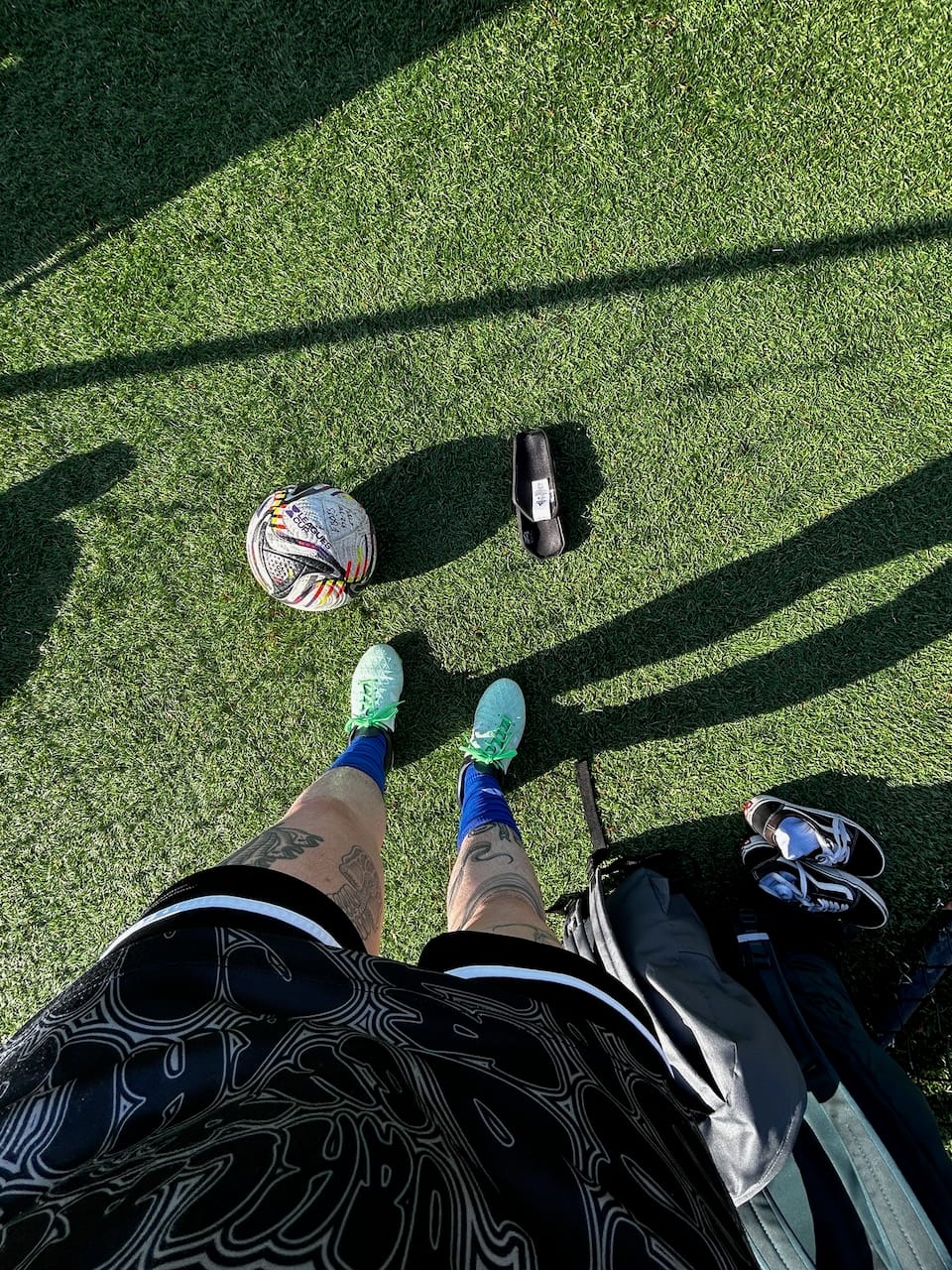
- Several Oakland Soul soccer games.
- The WFTDA North America Playoffs aka roller derby!
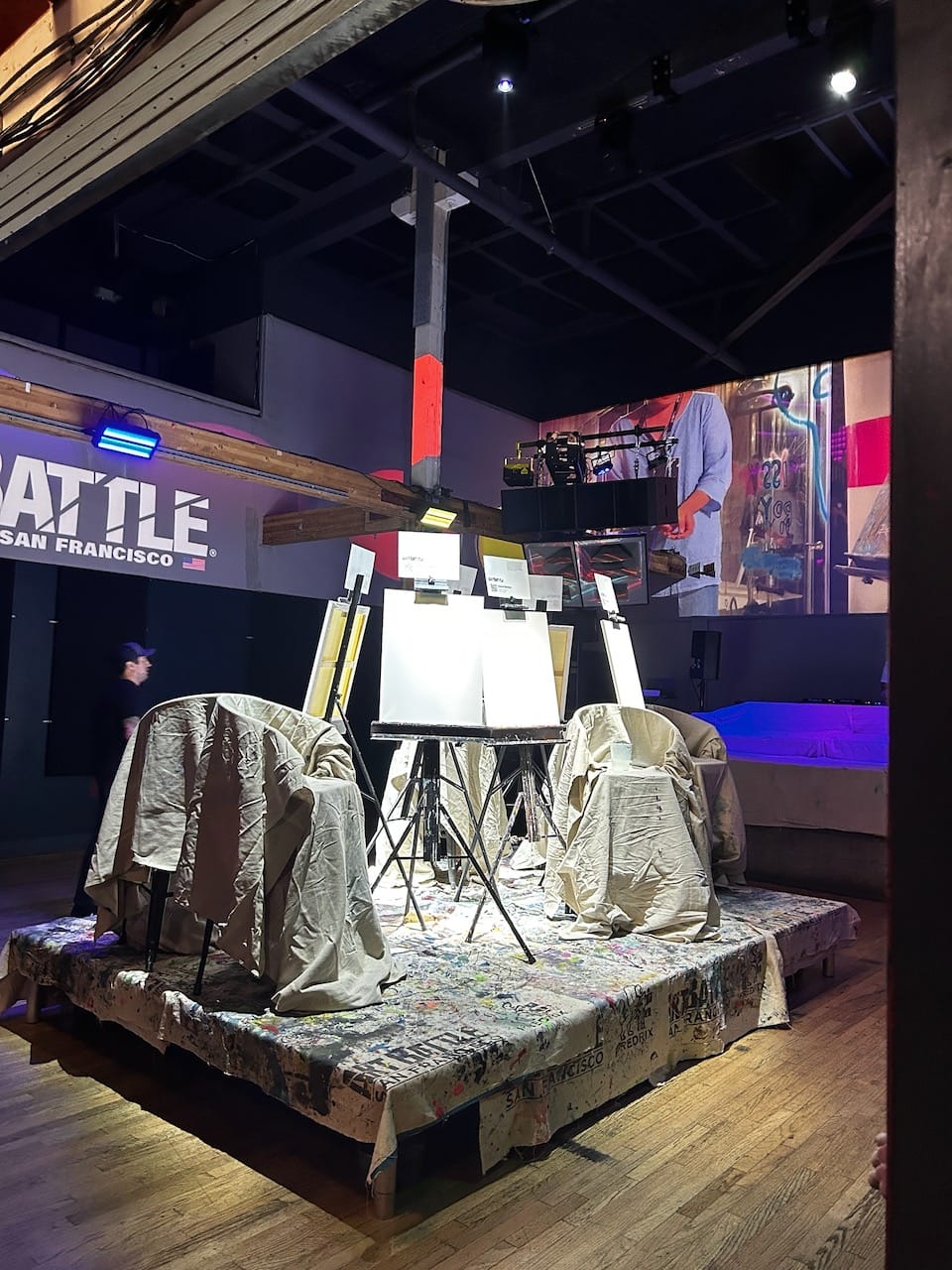
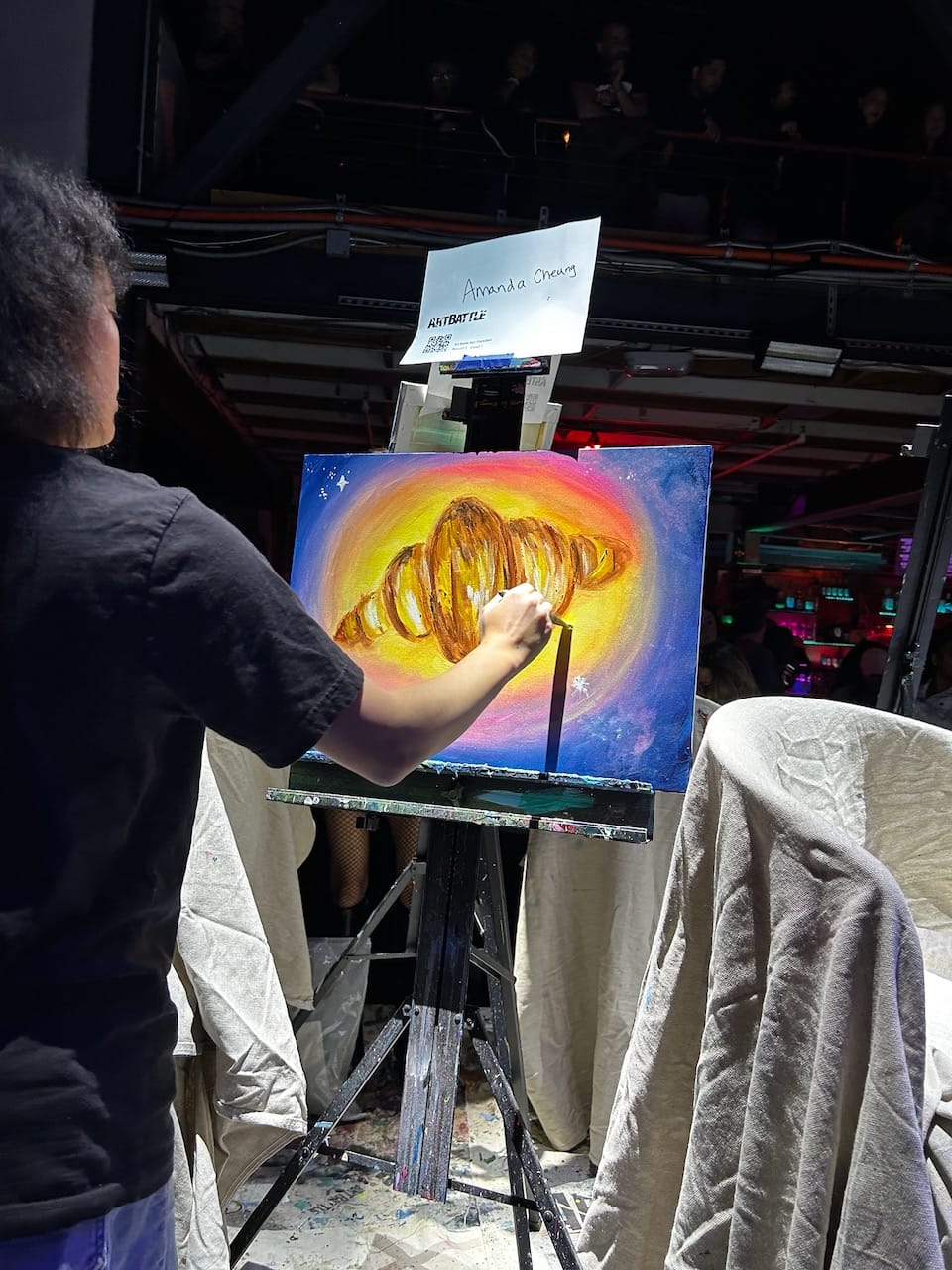
- An "art battle," in which artists get twenty minutes to paint something and the audience votes on the winner.
tide pools
There was decent low tide near me this weekend so I drove up to Bolinas to my favorite tide pooling spot where I always see a ton of nudibranchs. That day, I saw just one. But it was a good one, a Hopkin's rose, or Hopkinsia rosacea.
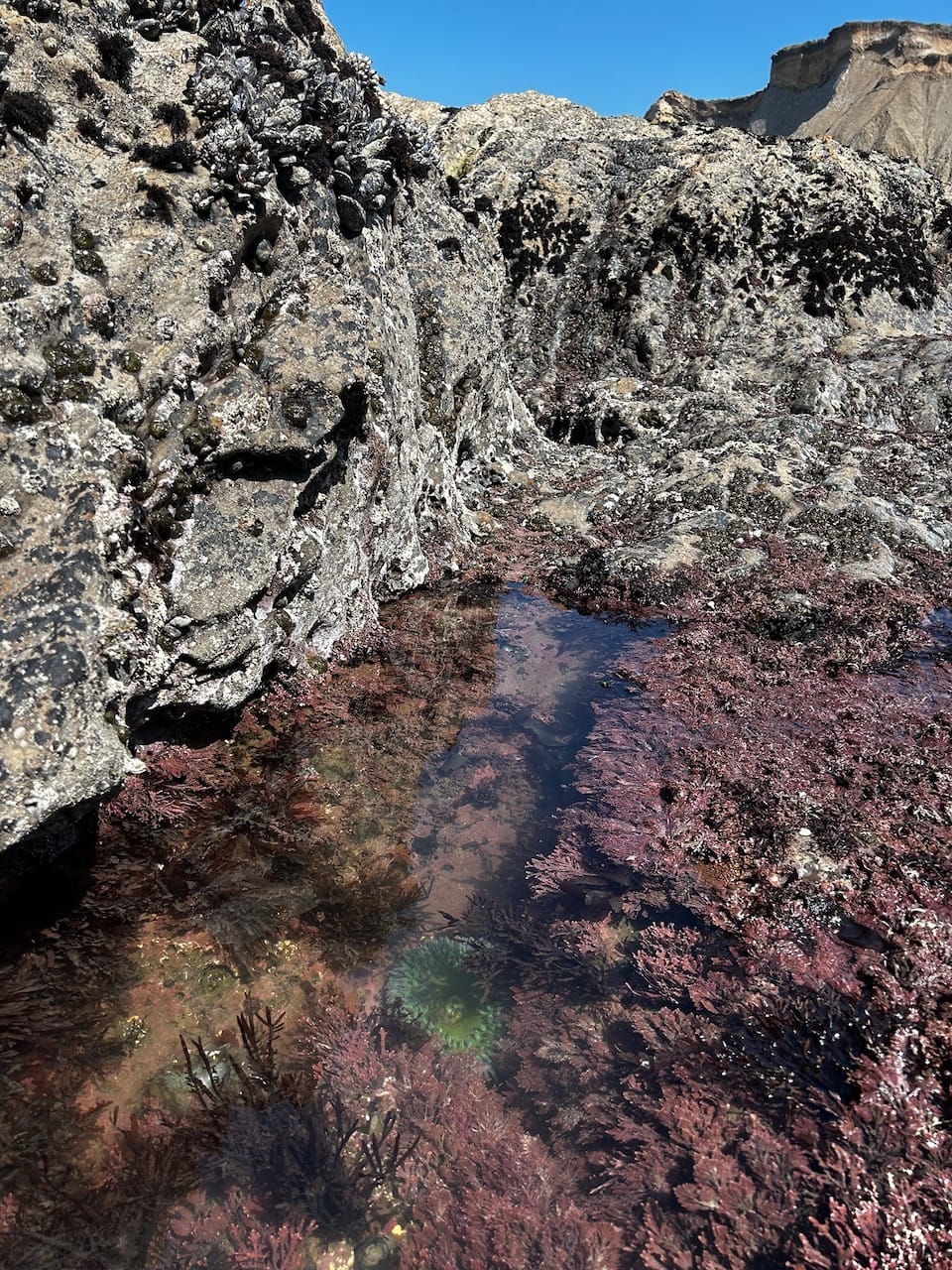
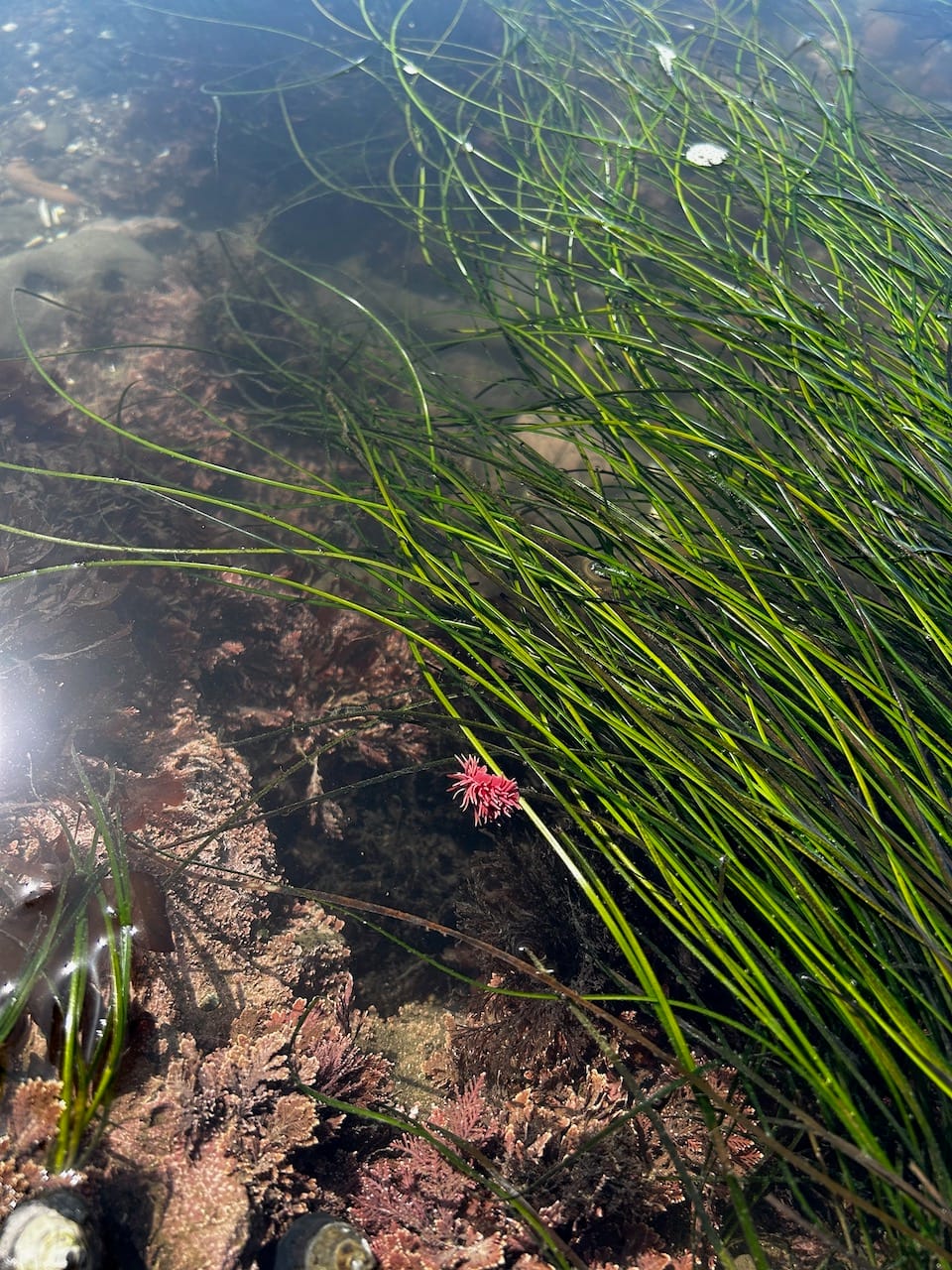
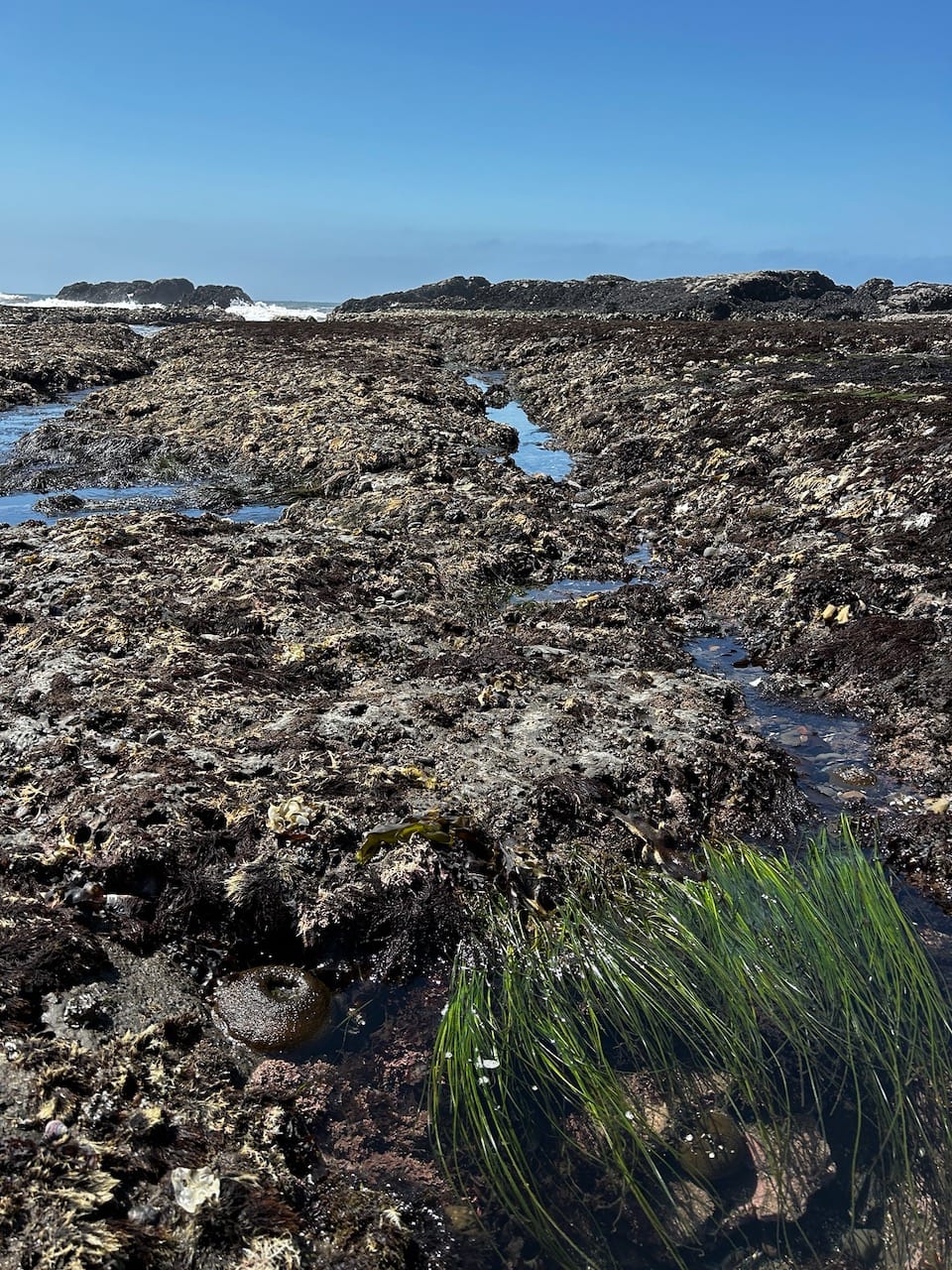
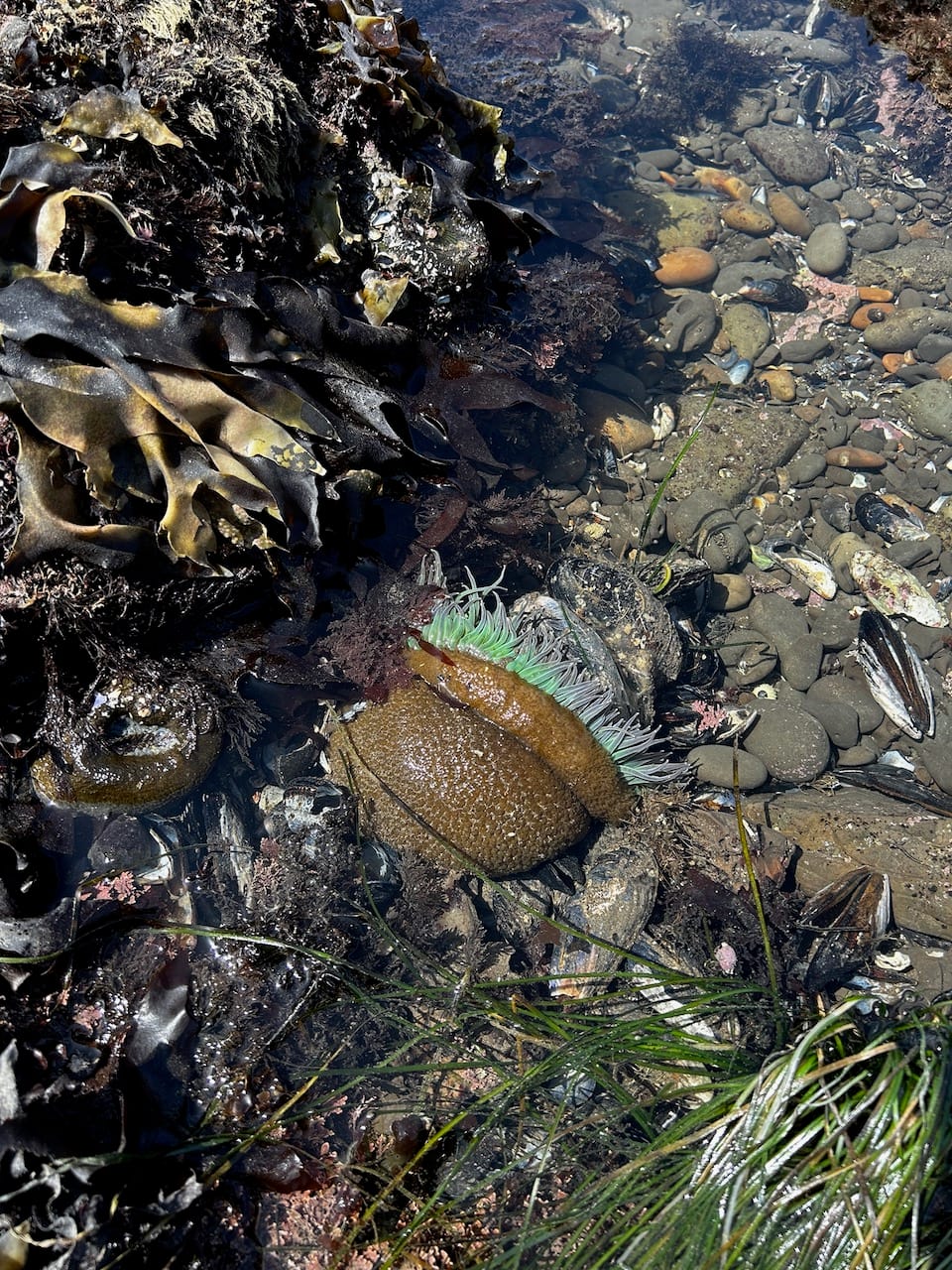
I'm not sure why all the nudibranchs were hiding that day. Was it too hot? Was it the wrong season? I don't know enough to know. But every time I go tide-pooling it reminds me that I want to go tide-pooling more often.
reading
〰️ North American Lake Monsters by Nathan Ballingrud. I really liked this collection! And, as I'm trying to place my own stories these days, I went to the back of the book to check where he had published these stories. Nearly every single publication listed no longer exists. 😭
〰️ "Get off the internet. Make shit. Talk to other humans about it. Touch paper." 〰️ Manjula Martin at Scratch about a zine fair.
〰️ "We have once again confused a public event with one where an all-ages public is welcome." 〰️ Megan Steffen at Oakland Review of Books about the fight over a tax to build a library.
〰️ "To refuse is a creative act. What is created in a refusal is a gap, a space, a moment in which something else makes ready to emerge, something that waits upon our invitation and a bit of water or sunlight to pop itself out and set down roots. To refuse is to create that which can only exist in the shade of that refusal, the refusal giving shelter to the choice that appears behind it. To refuse is to choose." 〰️ Amy Brown at A Working Library about what the hell we can all possibly do to fight the existence of wars we have no direct control over.
〰️ "Bill Clinton regrets his friendship. Does he regret obliterating Sudan’s malaria drugs and IV fluids? There is much to regret." 〰️ Arianne Shahvisi on why some forms of violence are unconscionable and others are not.
〰️ "Mr. Gland said he wanted my hair for a wig because his wife was bald from cancer treatments. I said there are other wigs that she could have, surely, and he said true, but my hair perfectly matched his wife’s hair, and could he have it, please?" 〰️ A delightfully weird little short story in Gulf Coast Literary Journal by Nick Story.
listening
We've also been playing Outer Wilds (by which I mean my partner plays the game and I watch and chime in with ideas), which I've learned from searching online is an incredibly polarizing game. It seems as though people either hate it with a passion, or think it is the singular best game ever made.
〰️ OUT 〰️〰️
This is stuff I wrote, created, or published.
PECKII
(short stories)
〰️ My short story "Sniff" was published online with Lumina so you can now read it! Just warning you that it's pretty dark.
〰️ We Will Rise Again, an anthology I contributed a short story for, won a Locus Award! Most of the credit here goes to the editors Karen Lord, Annalee Newitz, and Malka Older for putting this all together.
〰️ I edited five new short stories and started sending them out to various outlets. I've already been rejected several times, which is the nature of the game, and I'm continuing to revise and send, send, send and hopefully some of these will land somewhere.
〰️ I'm working on writing, or at least outlining and brainstorming, a few more stories that I'm hoping to finish in July and send around as well.
TEONANANCTL
(novella)
〰️ I did another full pass through this and a pretty hefty revision to try and clarify, sharpen, and tighten up the story and characters. My agent is back from maternity leave, and so I've sent the revision to her to see what she thinks.
CUBENSIS
(novel)
〰️ I finally had the guts (and time) to open up the notes that Kat Howard gave me on this draft! They were, as to be expected, quite useful. Of course, now I have to actually figure out how to do them. Which is always the hard part, for me at least.
I think that, in general, I'm actually fairly good at identifying what isn't working in a story. What I'm far less good at is figuring out how to fix those problems. Which is endlessly frustrating, and, of course, the only real solution is to simply try. And then try again. And then try another thing. Until you figure it out. There is no one here to figure it out for you, it turns out. The call has to come from inside the house.
In reading that book The Work of Art I was struck by how many of the writers interviewed had drafted whole sections that didn't make the final cut. Several writers talk about how they worked and reworked core elements of the book, including changing the point of view entirely, killing scenes, removing characters, and fundamentally rethinking the structure of the book. It takes, I think, strange balance of both self-loathing and egotism to make true revisions work. You have to be able to dislike your work enough to judge it critically, and delete entire sections; and you also have to have the self-confidence to believe that you'll be able, each time, to write something better. Writing is an act of delusion, really — not simply imagining new worlds to put on the page, but imagining yourself as the person who can put them there.
It is really interesting to work across fiction and non-fiction. The two genres have wildly different cultures and expectations of the flow of work. And while I really love writing fiction, I do miss the editorial structure of journalism.
When you write fiction, you're on your own. You have to write the entire thing, top to bottom, and edit it yourself and no one is expected to help you. You can form a writers group and ask friends of course. And your agent (if you're lucky enough to have one) will offer up some notes (as mine has!). But it is no one's actual, official job to help you edit your work until the book is at a stage where it is fully written, and (hopefully) edited several times by the writer.
In journalism you pitch and idea, and you have an editor whose job it is to be a sounding board, look at early drafts, talk through problems, brainstorm solutions. In journalism you might, for a big feature, file an outline first, and then talk through it and make sure the structure makes sense and you have what you need. You might storyboard together. The editor's role begins far, far earlier.
I understand why things are this way, and I'm not even arguing that things should change industry wide. I get that for some fiction authors the idea of having to file an outline to an editor probably induces either a full body cringe, or rage, or dread. But for me, personally, I really wish I had someone more like a non-fiction editor to talk to about my fiction work!
OSTOYAE
(non-fiction book proposal)
〰️ After years (literal years) of struggling with this book proposal I have had a breakthrough! I wrote to you all in March about my attempts to push through getting stuck in the endless loop in which I think but in order to know what I will write in the book, I have to write the book and subsequently take out 15 academic texts from the UC Berkeley library and wind up deep in some esoteric topic. But even at the end of that process I was still feeling a bit nervous about the project.
It's the prospect of it being a BOOK that I think I'm most nervous about. I could definitely write a newsletter with lots of bits and bobs in it. I could do a podcast for sure. At one point I got excited about creating an installation version of the book that would feature Italian Futurist recipes, dance performance, a guy with a jetpack, an architectural model of the Pruitt Igoe houses, and more.
But there's something about the book as an object that I think is a pause for me. My first book was incredibly fun to make, but a complete commercial failure. I couldn't get a single bookshop in the Bay Area interested in doing an event. It has a terrible Goodreads rating because the copies sent to advance reviewers featured comics that were impossible to read. Being a book means engaging in the world of books: reviews, book tours, press. On top of all of that, books are meant to be weighty and authoritative and serious, and that feels very intimidating.
I had in my head this idea that the book had to have an ironclad thesis, that held up against the most nit-pickiest of historians and that said something Universally True about the future — a clear, specific point that was tight and bullet proof. (I think some of this comes from my work on TESTED, which I knew was indeed going to be picked apart by people with specific political agendas so that they could have a reason to write off the entire project.)
"If I could just do this as a podcast," I told a friend, "I could have fun with it. I could just tell the stories I think are interesting, grouped by more general recurring threads and interesting connections."
But why can't a book be like that? (Reader, it can, as you of course know. Writers are, I think, uniquely talented at working themselves into strange little corners with obvious exits that we simply cannot see.)
The unsticking for me here came as I was reading a draft of Ed Yong's forthcoming book (yes, this is a brag) which is all about life a different scales (big, small, fast, slow, etc) and is, predictably, excellent. As I was reading and deeply enjoying this book I realized, hold on! There is no unifying thesis here! These are incredibly cool stories, written compellingly, tied together by ideas and themes. And look at me! Enjoying the shit out of this book!
What if... I did that too? What if I simply wrote a fun book I wanted to write?
When I explained all of this to my agent she laughed. "Yes," she said, "you should have fun writing it. Also, readers want to read things that the authors actually enjoyed writing."
How many times have you rolled you eyes at me in this section? Probably far less than I deserve. I'm not sure why I was so incredibly stuck in that corner for so long. But I'm unstuck, mostly (I will always harbor at least a little bit of healthy fear of being yelled at by academics for getting something wrong). And in my unstuck state I managed to finish an absurdly long draft of the book proposal's introduction and chapter outline to send to my agent to see what she thinks. It's 16k words, without a sample chapter. But hey, at least I'm making progress?